
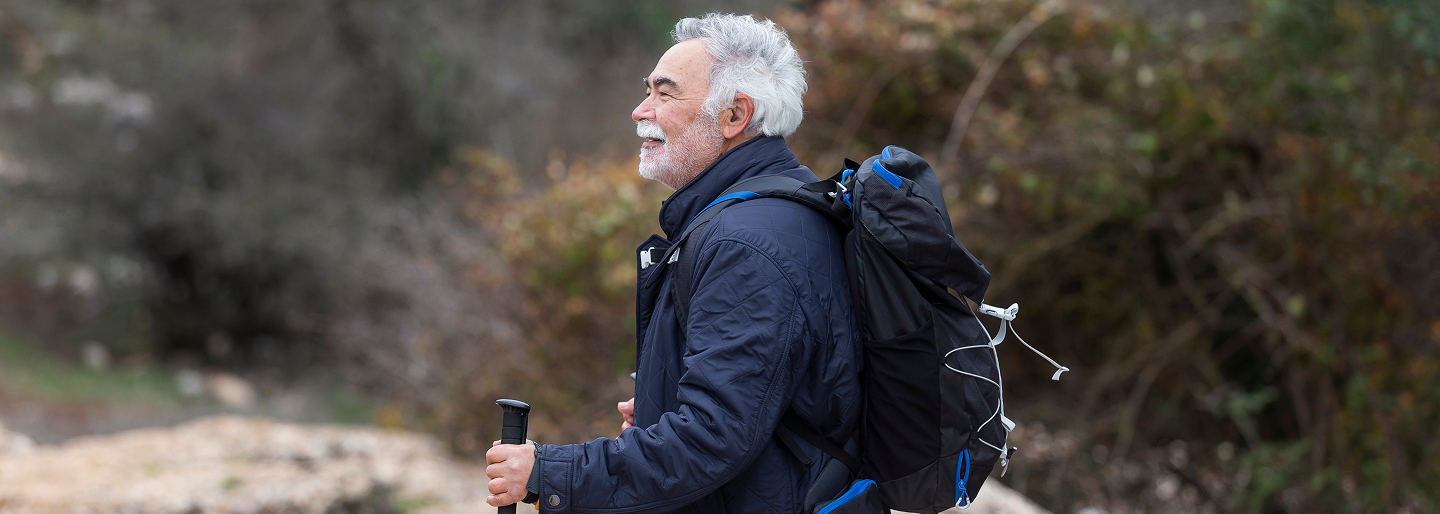
This hike was the moment my journey stopped being theoretical and became very real. Standing at the trailhead, I felt confident, prepared, and quietly excited, believing I had chosen a challenge that matched my abilities. Within the first hour, that confidence was tested. The climb was steeper than expected, the terrain more unforgiving, and the effort required far greater than anything I had done before. It wasn’t just physically demanding — it forced me to confront my limits, my expectations, and the way I approach challenges at this stage of life.
WHEN THE TRAIL STOPPED BEING FORGIVING
The early part of the hike lulled me into a false sense of security. The trail was manageable, my breathing steady, and my pace comfortable. Then, without warning, the trail tilted sharply upward. Dirt gave way to loose rock, the path narrowed, and every step demanded full attention. This was where the mountain made it clear that it wasn’t impressed by motivation or age — only by patience, balance, and respect. The climb became slow, deliberate, and humbling.
THE REAL BATTLE WAS MENTAL
As the physical strain increased, the mental challenge became even more intense. I wasn’t thinking about reaching the summit anymore. Instead, I focused on surviving the next few steps. Every pause became a negotiation, every break a moment to decide whether to continue. I learned that progress on steep terrain often comes from breaking big goals into tiny, manageable ones, and accepting that forward movement — no matter how slow — is still success.
LESSONS FROM THE GEAR I CARRIED
This hike taught me more about my gear than any online review ever could. Trekking poles became essential, providing stability and confidence on uneven ground, especially when fatigue set in. My hiking boots proved their value, gripping rock and dirt when I needed them most. At the same time, I realized where I fell short — I underestimated how much fuel my body would need and how important pacing would be early in the hike. Gear can support you, but it can’t replace preparation.
THE VIEW THAT MADE IT WORTH IT
Eventually, the trees thinned and the world opened up. The wind was strong, the air quiet, and the view stretched far beyond what I had imagined. I didn’t feel victorious or energized — I felt calm. In that moment, the struggle made sense. The climb wasn’t about conquering anything; it was about earning the experience, standing still long enough to appreciate how far I had come, and realizing that progress doesn’t always need an audience.
THE DESCENT WAS ITS OWN CHALLENGE
If the climb tested my endurance, the descent tested my patience. Tired legs, shaky knees, and loose footing made every step downward feel risky. It forced me to slow down even more than the climb, paying attention to each foot placement and accepting that this phase of the hike required as much respect as the ascent. It was a reminder that most injuries happen when hikers rush what feels like the “easy part.”